
How the State Legislature elections are structured
2026: 20 even-numbered districts are on the cycle.
Term: 4 years
2026: all 80 districts are on the cycle.
Term: 2 years
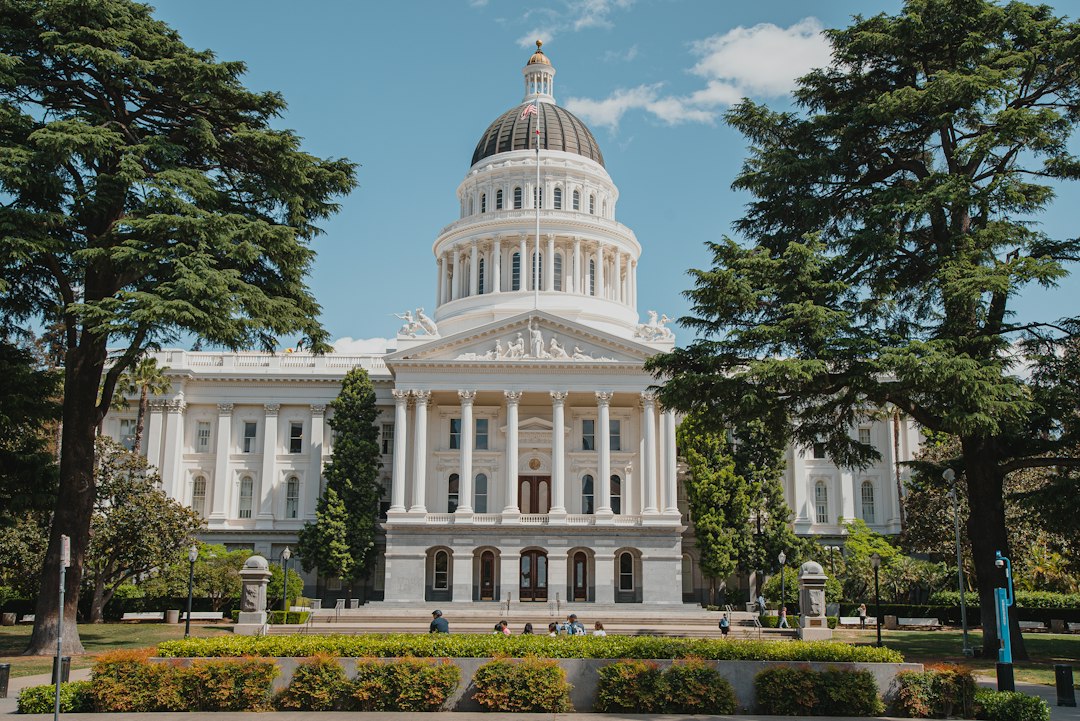
California’s statewide elections are not only about the governor and other constitutional officers. In 2026, the composition of the California State Legislature will also change, and that matters because the Legislature is where state bills are debated, amended, passed and sent to the governor.
The Legislature has two chambers: the California State Senate and the California State Assembly. The two chambers operate on different election cycles, so the 2026 contests do not affect every Senate seat, but they do affect every Assembly seat.
What happens in the State Senate in 2026?
The California State Senate has 40 members. Senators serve four-year terms, with 20 terms beginning every two years. According to the California State Senate, senators from odd-numbered districts run during presidential-election years, while senators from even-numbered districts run at the same time as California’s constitutional officers.
That means the 20 even-numbered Senate districts are the districts on the 2026 cycle: 2, 4, 6 and so on through 40.
The staggered structure is designed so that only half of the Senate turns over at one time. In the next cycle, the other half of the chamber – the odd-numbered districts – will be on the ballot.
What happens in the State Assembly in 2026?
The Assembly works differently. It has 80 members, and Assembly members serve two-year terms. Because every Assembly seat is elected on a two-year cycle, all 80 Assembly districts are part of the 2026 election cycle.
So in one election year, Californians can reshape the entire lower chamber while also choosing representatives for half of the upper chamber.
Why does the composition of the Legislature matter?
California lawmaking requires both chambers. A measure that advances through the Legislature must pass the appropriate process in the house where it begins and then repeat that process in the other house. Once both chambers approve a bill, it goes to the governor, who may sign it, allow it to become law without a signature, or veto it. A veto can be overridden by a two-thirds vote in both houses.
That makes the makeup of the Senate and Assembly important far beyond any single district. The majority in each chamber influences leadership, committee assignments, which bills move forward and how the state’s policy agenda develops.
The Legislature deals with issues that affect daily life across California, including:
- state taxes and the state budget;
- schools, colleges and education policy;
- housing and land-use rules;
- health care and public-health programs;
- roads, transit and transportation;
- labor and worker protections;
- business regulation and economic policy;
- insurance;
- public safety;
- energy, climate and environmental rules;
- social programs and state services.
2026 versus the next Senate cycle
The election schedule is straightforward once the staggered Senate terms are understood:
- 2026: 20 even-numbered State Senate districts + all 80 State Assembly districts.
- Next Senate cycle: the 20 odd-numbered Senate districts + all 80 Assembly districts.
Assembly members therefore face a statewide election cycle every two years, while senators normally face a four-year cycle.
What California58 will track
California58 is building its 2026 election coverage around the same statewide structure used across the rest of the platform: 58 counties, cities, districts and official sources connected in one place. Our goal is to make it easier to understand which legislative district covers a community, who holds the seat, what that lawmaker has worked on and what changes after the election.
As district and candidate information is completed, California58 will connect election coverage with county pages, local news, state laws and government profiles so readers can move from a statewide story to the local district that affects them.
Official sources
California58 used official California legislative sources for the structure and terms described in this explainer:
- California State Senate – FAQs
- California State Assembly – Elected Officials
- California State Senate – Legislative Process
California58 is an independent information platform and is not affiliated with the State of California or any political campaign.
USEFUL SERVICES
Useful services from our ecosystem
AFFILIATED RESOURCE
Travel smarter worldwide
OptionTripAI-powered trip planning for journeys in California and around the world.
Explore OptionTrip →AFFILIATED RESOURCE
Free tax & property tools
TaxesTimeFree preliminary tax and property tools, including the Property Tax Savings Report.
Explore TaxesTime →AFFILIATED RESOURCE
California document support
LegalDocSVCDocument preparation support for self-represented Californians. Not a law firm and not legal advice.
Explore LegalDocSVC →WORK WITH CALIFORNIA58
Have a story, project or partnership idea?
California58 welcomes news tips, interviews, video projects, community partnerships, advertising and other California-focused collaborations.
Work with California58 →
COMMUNITY
Comments
Join the California58 conversation. You must be signed in to comment.
Create a free California58 account or sign in with an available social provider.