
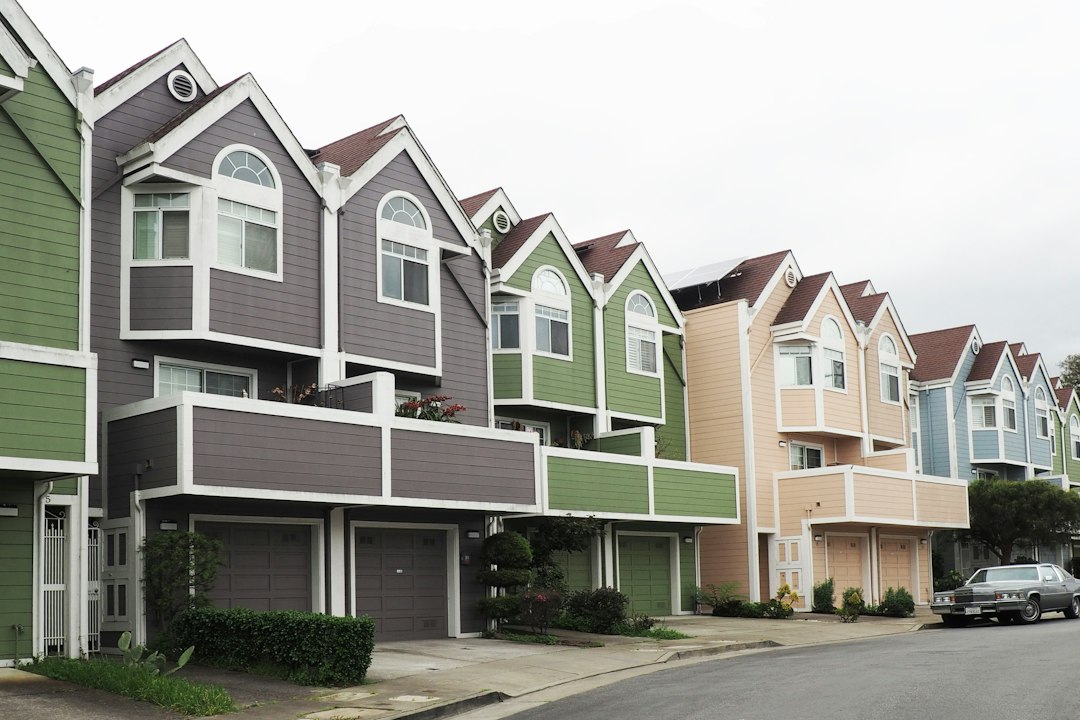
Can you build a second home on your property in California? Add an ADU? Put a manufactured home on vacant land? Extend a fence, install a shed or remove a protected tree? Today, getting a reliable answer may mean searching multiple county, city and state government websites—and finding out that the office you contacted does not even have jurisdiction over your land.
California58 is preparing to introduce California58 Build Intelligence, a free California property, zoning and building-permit guidance service designed for all 58 counties. The first public version is planned to begin rolling out in the coming days. Its purpose is to help owners, homebuyers and residents identify a property, understand what must be checked, find the responsible permitting agency and organize the next steps for a construction project.
The statewide geography catalog is the starting point, not a claim that every parcel and every local ordinance has already been verified. Coverage of assessor data, zoning maps, permit application links and local requirements will expand by jurisdiction. Each result will clearly distinguish confirmed information, conditional requirements and information that still needs official verification.
What can I build on my California property?
California58 Build Intelligence is being developed around one practical question: “What can I build on my property?” Users will be able to start with a California street address or an Assessor’s Parcel Number (APN) together with the county. As verified local data sources are connected, the service is intended to make more detailed parcel-level checks possible.
Among the questions the platform is designed to help investigate:
- Build a house: Can a new single-family home be constructed on vacant land, and which site conditions require review?
- ADU or second dwelling: Can the property support an accessory dwelling unit, backyard cottage, garage conversion or another lawful housing unit?
- Manufactured or mobile home: What rules apply to installation, foundation, site use, utilities and occupancy?
- Sheds, garages and carports: Is a permit required for a particular size, height and location? Can an accessory structure be installed on undeveloped land?
- Home additions: What needs to be checked before extending a house, converting a room or adding another floor?
- Fences and retaining walls: When do height, placement, right-of-way or structural considerations trigger permits?
- Trees: Does trimming, removing or planting a tree require approval under local tree-protection or public-right-of-way rules?
- RVs and trailers: How do rules differ for parking, storage, temporary use and living in a recreational vehicle?
- Pools, solar and utilities: Which building, electrical, fire and utility approvals may be involved?
- Property subdivision: What should be investigated before splitting or combining parcels?
California APN lookup, address search and the right permitting office
A parcel number alone is not a unique California-wide property identifier. An APN generally needs its county context, and an address match is not the same as a verified parcel boundary. The new service is being structured to disclose these distinctions rather than present an uncertain match as a definitive land record.
Just as important, a parcel’s county is not always its permitting authority. A property within an incorporated city may be governed by a city planning or building department, while an unincorporated parcel may use county services. Fire agencies, special districts, environmental health departments, coastal authorities and others may also have relevant jurisdiction.
The objective is to move from “Here is your county” to a more useful answer: “Here is the agency to contact, here are the official planning and permit application links we could verify, and here are the questions to resolve before filing.” Online submission will remain with the appropriate government portal unless a future authorized integration explicitly supports another method.
While development continues, readers can already use California58’s California Reports, Records & Permits guide and 58-county directory to begin locating public services.
A free California property feasibility report—with sources and a step-by-step plan
A central feature of the upcoming service is the California58 Property Build Feasibility Report. Instead of a generic AI answer, the report is being designed to organize property identification, jurisdiction, zoning checks, project requirements, potential obstacles, official sources and an action plan in one place.
Depending on verified data availability, a report will aim to cover:
- County, address or APN identification and the quality of the property match.
- Existing structures, possible zoning classifications and relevant land-use questions.
- Project-specific topics such as ADUs, manufactured homes, sheds, garages, fences and trees.
- Setbacks, building height, lot coverage, wildfire and flood hazards, access and utilities—when supported by reliable local data.
- Relevant agencies, official permit information, available application links, potential forms and published fees.
- Questions to ask the building department and a step-by-step checklist.
- Source links, verification dates, limitations and the difference between an actual rule and an unanswered question.
The report format is intended to include a California58 reference number, issue date and California58 branding, and to be printable or savable as a PDF. Preliminary checks are planned to be free during the initial rollout. Government permit or document fees, when applicable, are separate and are assessed by the responsible agencies.
“Allowed” is not a building permit
Building a reliable platform means being explicit about what an answer can—and cannot—establish. California58 is designing four decision labels:
- ALLOWED: The reviewed rules support the use under the specified conditions; official approval may still be required.
- CONDITIONAL: The project may be possible if identified requirements are satisfied.
- NOT ALLOWED: A confirmed applicable provision restricts the proposed use.
- NEEDS VERIFICATION: The available information does not support a reliable determination.
An assessor entry is not evidence that a building is lawful. A nearby utility line does not establish the right or capacity to connect. A countywide building-code provision does not replace city zoning. California58 will not claim that an automated report is a building permit, land survey, legal opinion or engineering approval.
Building rules change. California58 is building an update system, not a static directory.
The 2025 California Building Standards Code became effective on January 1, 2026. Meanwhile, California’s Accessory Dwelling Unit Handbook was updated in March 2026. Local ordinances, permit fees and application procedures also require ongoing checking.
California58 is developing a source-monitoring process to check official links and detect relevant updates, with additional review before changed legal requirements are treated as verified. This is especially important for owners considering an ADU, manufactured home or property expansion: yesterday’s guidance may not describe the rules in effect when an application is filed.
The project will also connect practical guidance to California58 coverage of California housing and permitting legislation, wildfire prevention and home-hardening measures, and property tax checks where relevant.
Coming next: where is it easier to build in California?
The project also supports a new California58 reporting agenda. As source coverage grows, our newsroom plans to compare permit processes, published fees, ADU policies, zoning transparency, manufactured-home requirements, RV rules and online application options across cities and counties.
Future reports may explore where construction applications are easier to navigate, which jurisdictions publish permit-processing times, how local rules treat tiny homes or backyard structures, and where property owners face the greatest information gaps. We will not confuse more permits issued with easier or faster approvals; comparisons will identify their sources, methodology and limitations.
How to follow the launch and new California property guides
The first public release is planned for the coming days, followed by progressive expansion across all 58 counties. Not every address or APN will have a complete zoning or permit determination at the start. California58 will show what is available, what remains unverified and where a property owner should go next.
Visit the dedicated California58 Build Intelligence launch page, and bookmark California58 Reports & Permits and explore our California58 Encyclopedia. We will publish progress updates, new county coverage, practical permit explainers and original investigations as the system develops.
Follow California58: Facebook — California58 and Instagram — @california58com.
California58 is an independent information and news platform, not a government agency. All permitting decisions and official applications remain the responsibility of the applicable public authorities. This article describes a service in development, not a claim that parcel-specific construction checks are already available statewide.
Official reference sources
- California Building Standards Commission — California Building Standards Code.
- California Department of Housing and Community Development — ADU Handbook (updated March 2026).
- CAL FIRE — California wildfire resources.
- FEMA — National Flood Hazard Maps.
California58 project announcement · October 9, 2026 · Coverage and launch features subject to verification.
USEFUL SERVICES
Useful services from our ecosystem
AFFILIATED RESOURCE
Travel smarter worldwide
OptionTripAI-powered trip planning for journeys in California and around the world.
Explore OptionTrip →AFFILIATED RESOURCE
Free tax & property tools
TaxesTimeFree preliminary tax and property tools, including the Property Tax Savings Report.
Explore TaxesTime →AFFILIATED RESOURCE
California document support
LegalDocSVCDocument preparation support for self-represented Californians. Not a law firm and not legal advice.
Explore LegalDocSVC →WORK WITH CALIFORNIA58
Have a story, project or partnership idea?
California58 welcomes news tips, interviews, video projects, community partnerships, advertising and other California-focused collaborations.
Work with California58 →
COMMUNITY
Comments
Join the California58 conversation. You must be signed in to comment.
Create a free California58 account or sign in with an available social provider.