
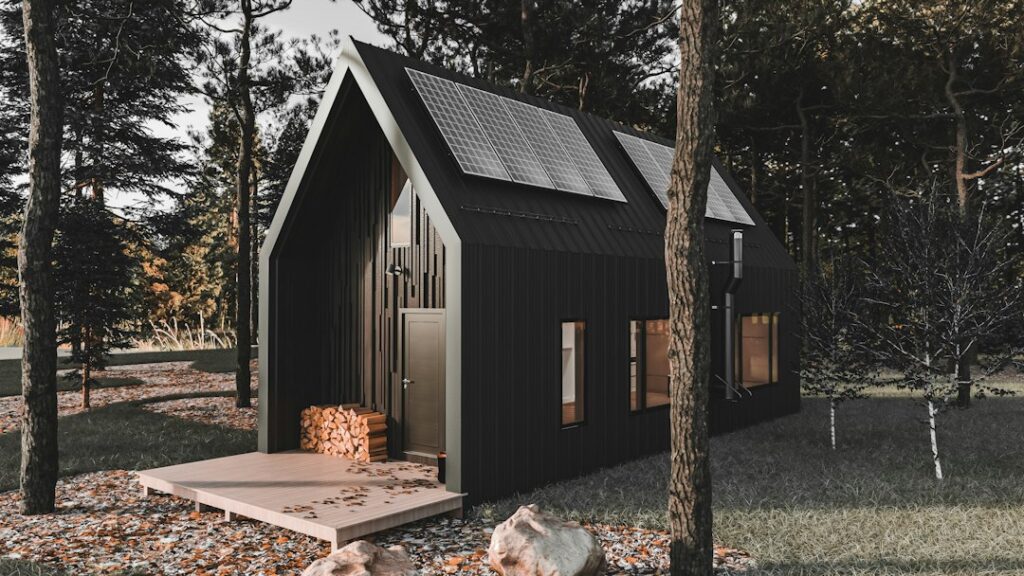
CALIFORNIA58 HOUSING EXPLAINER | October 17, 2026. A tiny home can look like a conventional house, a towable trailer or a factory-built cabin. But appearance and square footage do not determine whether it can legally be occupied on an empty lot in California. The key issues are its regulatory classification, intended use, installation method and the zoning of the specific property. Two nearly identical small structures can face different permitting routes.
That distinction matters to people browsing inexpensive rural properties, hoping to avoid a conventional construction project. Buying the house first and investigating the land later can create a very expensive storage problem. For related classifications, see our shipping-container house guide and 2026 ADU permitting guide. California58 has separately examined manufactured home placement, owner-builder permits and vacant-land due diligence.
1. Tiny house on a permanent foundation
A small site-built dwelling generally follows the applicable residential building standards and local zoning, even if its floor area is much less than that of an ordinary suburban home. The California Department of Housing and Community Development (HCD) has explained that tiny homes not otherwise classified as manufactured homes, factory-built housing, recreational vehicles or park trailers are subject to the applicable California Building Standards Code. Requirements can include structural design, fire safety, energy standards, plumbing, sanitation and lawful occupancy.
Check the jurisdiction’s current adopted code, site-specific setbacks and whether the parcel legally supports a primary dwelling. A property described as “residential” may still have road access, water, septic, fire safety, grading and other requirements.
2. Tiny house on wheels: a different question
A trailer with a chassis and wheels may be classified and regulated differently from a foundation-built residence. The term tiny house on wheels alone does not grant full-time residential rights on private property. A road registration or manufacturer’s certification is not the same thing as a county land-use authorization. California HCD’s published tiny-home information bulletin provides the basic warning that classification must be determined rather than assumed.
For a stark local example, Plumas County’s tiny-home information guide distinguishes wheeled tiny homes from traditional houses and identifies restrictions on year-round habitation in an RV outside the uses permitted by local zoning. This is an example of a specific county’s guidance, not a statement that every California county follows the same rule.
3. Some jurisdictions create pathways for movable tiny homes
A statewide label is not enough: the local ordinance matters. Placer County publishes a dedicated tiny-home guidance page discussing movable units and how their role as a primary dwelling or accessory unit connects with base zoning. Sonoma County also publishes a tiny-house initiative addressing transportable housing units on a chassis. Such provisions can offer options, but buyers must verify the present text of the ordinance, eligible zones, certifications and required permits for the parcel.
Do not make a 58-county ranking from selected county website summaries: changing ordinances, city boundaries and building classifications make a simple statewide yes/no chart misleading.
4. A manufactured home is not automatically an RV
Manufactured housing built to the applicable federal manufactured-home standards and factory-built housing regulated under California’s programs may follow distinct approval paths. HCD oversees factory-built housing manufacturing, while local building officials inspect installation of factory-built units. The type of home and its documentation affect which rules apply. Read our separate manufactured-home investigation before comparing turnkey pricing.
5. Is an ADU a shortcut?
An accessory dwelling unit (ADU) is an independent dwelling connected legally to an eligible property and existing or proposed primary housing arrangement. It is not simply a small object you can park on any vacant parcel and call an ADU. California’s HCD ADU Handbook, updated March 2026, explains state law and changes effective in 2026. Ask whether the lot and project qualify and whether the proposed type of structure can satisfy the required building and utility standards. If wastewater is handled by septic, a separate local health review may be necessary. Our septic feasibility and permit investigation explains what to check first.
6. The hidden bills: land development
A manufacturer’s advertised unit price may omit the real expense of transforming raw land into an occupiable residential lot. Obtain site-specific quotes for legal access, surveying, foundations or installation, grading, power connection, potable water, sewage disposal, permits, transportation and installation cranes if applicable. Check whether the site is in a wildfire hazard area and request a real insurance quote for the proposed structure. Small homes do not automatically create small utility bills.
Where the parcel lacks public water, read California58’s private-well cost and permitting investigation. An unverified well plan should not be treated as a water supply. Similarly, a verbal promise that “a septic system will be easy” is not a substitute for a site evaluation.
7. A practical decision sequence
- Choose the use. Is the structure a full-time primary residence, ADU, recreational unit, short-term rental or temporary construction accommodation? Do not mix these categories.
- Get the factory or design paperwork. Request drawings, certification, code standard, chassis/foundation details and installation requirements.
- Identify the land authority. Confirm whether zoning is controlled by a city or the unincorporated county; coastal and special districts may add approvals.
- Check zoning and occupancy. Ask for the specific rule that allows or limits your unit and whether discretionary approval is required.
- Resolve services. Identify the lawful water supply, wastewater route, utility connections and fire/access standards.
- Get agency answers in writing. Send the APN and product specification to the planning and building authorities before paying a nonrefundable home deposit.
- Budget the completed project. Compare all-in delivered-and-permitted costs against a manufactured or site-built alternative.
Frequently asked questions
Can I live in a tiny house on vacant land in California?
Possibly, but not based solely on its size or ownership of the land. The exact building classification, allowed residential use, permits, installation and utilities must line up. A jurisdiction may allow one type of tiny home and reject another.
Are wheels enough to avoid building permits?
No. Wheels can change the classification but do not automatically make long-term residence or placement lawful. RV and local land-use requirements may apply.
Can I use a tiny house as an Airbnb?
Permitted residential use, land-use approval, local short-term-rental rules and any applicable lodging requirements are separate questions. A unit approved for seasonal recreational use should not be assumed to qualify as a rental dwelling.
Official references
- California HCD — Tiny Homes Information Bulletin
- California HCD — Factory-Built Housing
- California HCD — ADU Handbook, March 2026
- Plumas County — Tiny Home Information Guide
- Placer County — Tiny Homes
- Sonoma County — Tiny Houses
Editorial note: This is a California-wide public-service overview, not a permit determination or a claim that any particular lot is eligible. Requirements should be checked with the authority responsible for the APN.
USEFUL SERVICES
Useful services from our ecosystem
AFFILIATED RESOURCE
Travel smarter worldwide
OptionTripAI-powered trip planning for journeys in California and around the world.
Explore OptionTrip →AFFILIATED RESOURCE
Free tax & property tools
TaxesTimeFree preliminary tax and property tools, including the Property Tax Savings Report.
Explore TaxesTime →AFFILIATED RESOURCE
California document support
LegalDocSVCDocument preparation support for self-represented Californians. Not a law firm and not legal advice.
Explore LegalDocSVC →WORK WITH CALIFORNIA58
Have a story, project or partnership idea?
California58 welcomes news tips, interviews, video projects, community partnerships, advertising and other California-focused collaborations.
Work with California58 →
COMMUNITY
Comments
Join the California58 conversation. You must be signed in to comment.
Create a free California58 account or sign in with an available social provider.